
Charleston Warrant Records Search
Charleston warrant records are held by the Charleston Police Department and the Charleston County Sheriff. As the largest city in the state, Charleston has a high volume of criminal cases moving through its courts each year. Residents can look up warrant information through the Sheriff's office or the Municipal Court. The city also runs a tips line for those who want to report crime or share leads on wanted persons. Bond Court at Leeds Avenue handles first appearances and sets conditions for release on active warrants.
How to Search Charleston Warrants
The Charleston County Sheriff maintains a warrant search system on its website. You can visit sheriff.charlestoncounty.org to look up active warrants by name or case number. The system covers all of Charleston County, which includes the city of Charleston. It shows the charge, the date of issue, and the court that ordered the warrant. Not all records appear online right away. Some take a day or two to post after a judge signs them.
You can also call the Warrants Division at (843) 554-2467. Staff can tell you if a warrant is active for a specific person. They handle questions about outstanding warrants and can explain the next steps for someone who wants to turn themselves in. The line is not for emergencies. Call 911 for those.
The Charleston Police Department has a non-emergency line at (843) 743-7200. Officers can confirm if a city warrant is active but may direct you to the Sheriff for county-level records. For tips on wanted persons, go to www.charleston-sc.gov/tips. The city also uses Fusus vault tips for anonymous reporting.
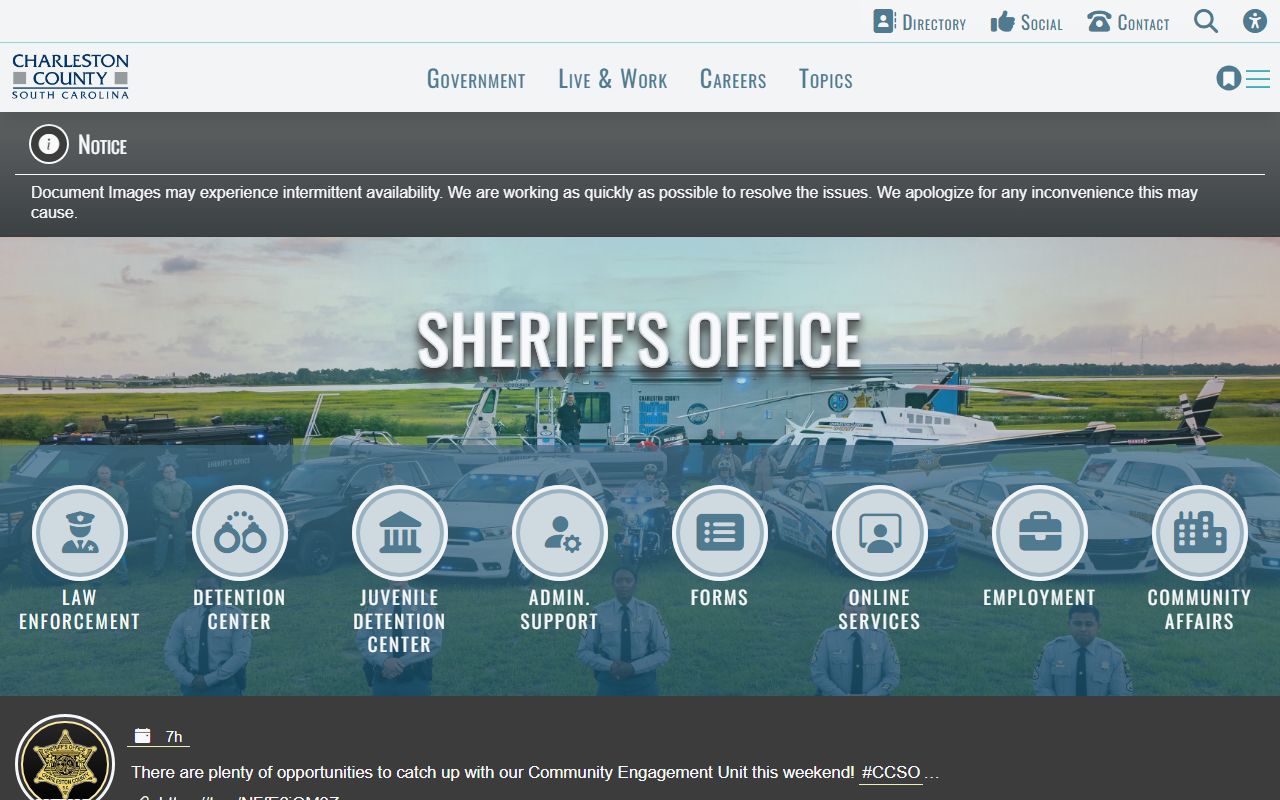
The Sheriff's site is the fastest way to check for warrants on your own time. It runs around the clock and does not require an account or login.
Bond Court and First Appearances
Charleston Bond Court is at 3831 Leeds Ave. This is where people who are arrested on warrants go for their first court hearing. A judge sets bail or bond conditions at this stage. The court phone number is (843) 529-5340. Bond hearings happen daily, including weekends and holidays. This court does not handle trials. It only deals with initial appearances and bond decisions.
If someone has an active warrant and wants to resolve it, they can turn themselves in at the Charleston County Detention Center. The booking process starts there, and the person goes before a Bond Court judge within a short time. Having an attorney present at this stage can help with bond amounts. People without attorneys can ask for a public defender at the hearing.
Charleston Municipal Court Records
The Charleston Municipal Court handles city-level offenses. These include traffic tickets, minor criminal charges, and code violations. You can check violations online at the city violations portal. Municipal Court issues bench warrants when someone fails to appear for a scheduled hearing. These bench warrants can lead to arrest.
Bench warrants from Municipal Court are different from arrest warrants issued by law enforcement. A bench warrant comes from a judge. It means the court ordered your appearance and you did not show up. The fine or charge stays on file until you resolve it. Contact the court to find out what steps you need to take.
The Charleston violations portal lets you look up your case status online.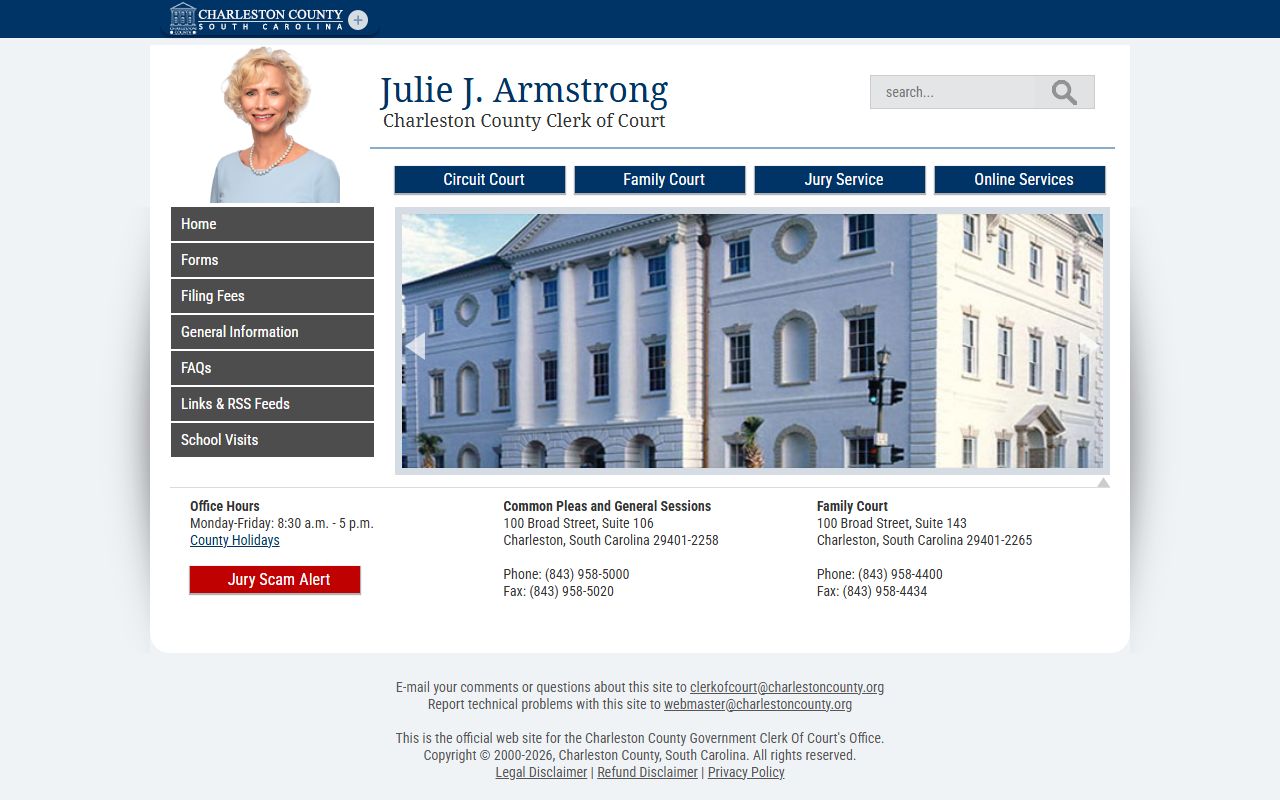
Staff at the Municipal Court can answer questions about pending cases and court dates.
Warrant Types in Charleston
Charleston law enforcement deals with several types of warrants. Each one serves a different purpose in the criminal justice process. Knowing the difference matters if you or someone you know has an outstanding warrant in the city.
Arrest warrants are the most common type. A police officer presents evidence to a judge or magistrate. If the judge finds probable cause, the warrant is signed. Under South Carolina Code Section 17-13-140, any magistrate in the state can issue an arrest warrant based on an affidavit. Charleston police use this process for felony and misdemeanor charges alike.
Bench warrants come from a court. They are issued when someone misses a hearing or violates a court order. In Charleston, the Municipal Court and the county courts both issue bench warrants. The person named on the warrant can be picked up by any officer who runs their name during a traffic stop or other encounter.
Search warrants allow officers to look through a specific place for evidence. These are not tied to a person in the same way. They require a judge to approve the location and scope of the search. Charleston police must follow strict rules when carrying out a search warrant.
State Resources for Warrant Searches
SLED runs the CATCH system, which stands for Citizens Access to Criminal Histories. You can use it at catch.sled.sc.gov to run a background check on yourself or someone else. The system covers the entire state, including Charleston. It shows criminal history but may not list every active warrant in real time.
The South Carolina court system has a case search tool at sccourts.org/caseSearch. This lets you look up cases by name or case number across all circuit courts. It can show if charges have been filed and what the case status is.
South Carolina's Freedom of Information Act under Section 30-4-10 gives the public a right to access most government records. Warrant records generally fall under this law once they have been served or executed. Sealed or pending warrants may not be available until the case moves forward.
Charleston County Warrant Records
Charleston is the county seat of Charleston County. The county Sheriff handles warrant service for the entire county, including areas outside the city. For full details on county warrant records, court locations, and contact information, visit the Charleston County page.
Nearby South Carolina Cities
These cities are close to Charleston. Each has its own police department and court system that handles local warrants.