
Lee County South Carolina Warrant Records
Lee County warrant records are kept by the Sheriff's Office and the Clerk of Court in Bishopville, the county seat. Lee County is part of the 3rd Judicial Circuit in South Carolina. The county is one of the smaller ones in the state by population, but the same laws and procedures for warrants apply here as in every other county. You can look up warrant records in person at the courthouse or search online through state databases that cover all 46 South Carolina counties.
Lee County Sheriff's Office and Courts
The Lee County Sheriff's Office handles warrant service for the entire county. Deputies carry out arrest warrants, execute search warrants, and process bench warrants from the courts. The office is in Bishopville and serves all areas of Lee County, both inside and outside city limits.
The Clerk of Court in Lee County maintains the official court files. When a warrant leads to an arrest and formal charges are filed, the paperwork goes to the Clerk's office. This includes the warrant itself, the bond paperwork, and any indictments that follow. You can visit the Clerk in person to request copies of these records. Staff can search by name or case number.
The South Carolina Judicial Branch maintains an online case search tool that covers Lee County and all other counties in the state.
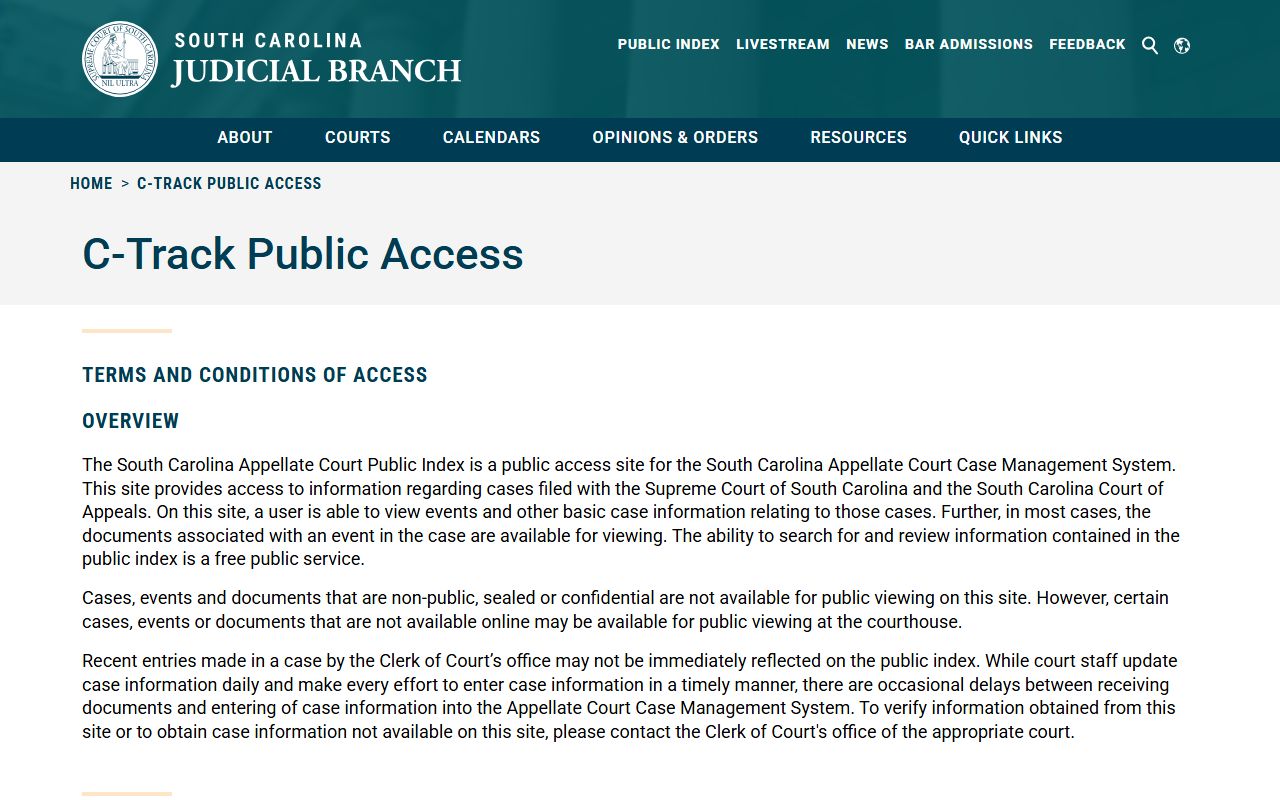
Use the SC Courts Public Index to search for General Sessions cases filed in Lee County by name or case number.
How Warrants Work in Lee County
A warrant in Lee County starts with a sworn statement presented to a magistrate judge. The person making the complaint lays out the facts of the case under oath. The judge reviews the statement and decides whether probable cause exists. Under S.C. Code 22-3-710, the magistrate can issue an arrest warrant if the evidence is sufficient. This process is the same in Lee County as it is across the rest of South Carolina.
Search warrants have stricter requirements. Under S.C. Code 17-13-140, a law enforcement officer must prepare a written affidavit naming the exact location to be searched and describing what items they expect to find. The judge reads the affidavit and only signs the warrant if the legal standard is met. After the search, the officer returns the warrant to the court, and it becomes part of the public record in Lee County.
Arrest warrants in South Carolina do not expire. Under S.C. Code 17-13-40, a warrant stays active until the person is taken into custody or a judge recalls it. Even warrants that are years old can still lead to an arrest during a routine stop. Bench warrants under 17-15-90 work the same way and stay active until served.
This means a person with an old warrant in Lee County could be picked up at any time.
Searching Lee County Warrant Records
Because Lee County is a smaller jurisdiction, online resources from the state level are especially useful for finding warrant records. The South Carolina Courts Public Index covers all General Sessions cases in Lee County. You can search by name or case number for free. The results show basic case information, including charges and court dates, but not the full warrant document.
SLED's CATCH system at catch.sled.sc.gov provides paid criminal background checks that may include active warrants, prior arrests, and conviction records. The system pulls from law enforcement agencies across South Carolina, so Lee County records appear alongside data from other jurisdictions. This tool is helpful when you want a statewide view of a person's criminal history.
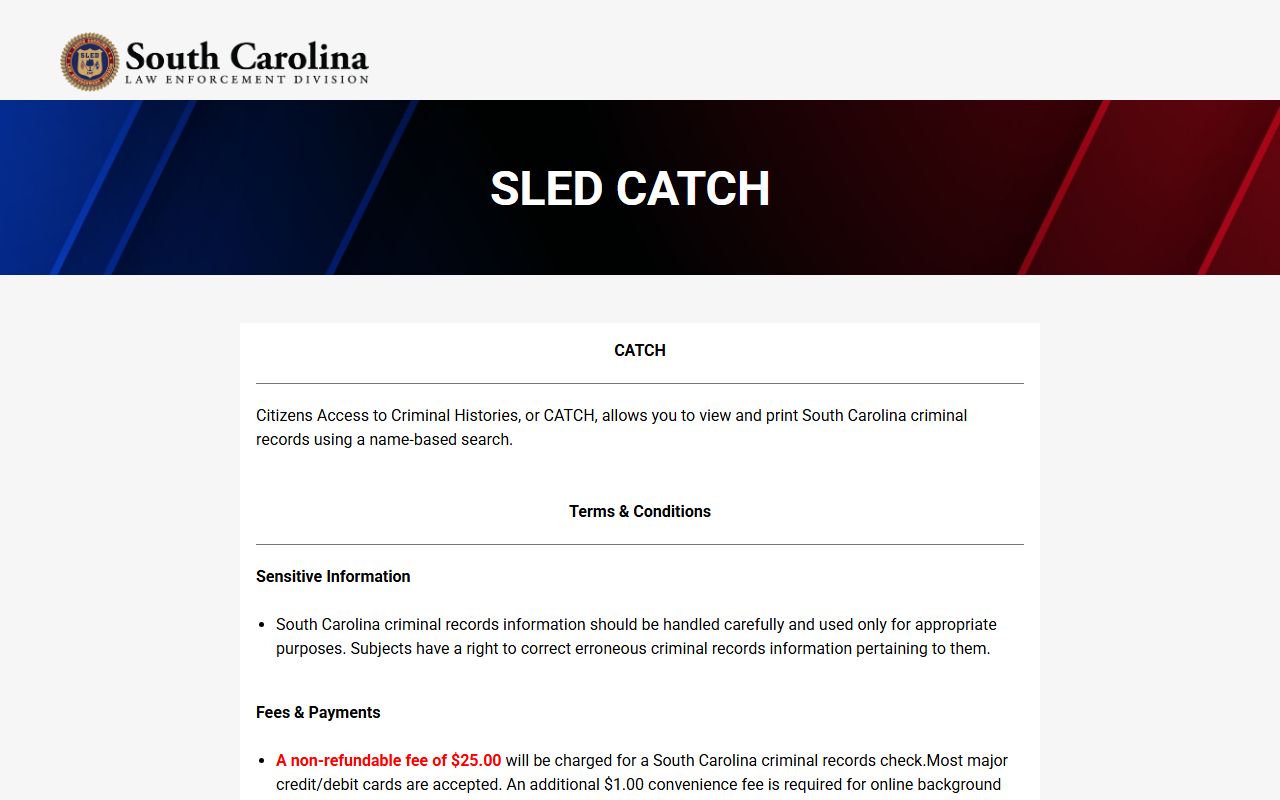
SLED's CATCH system provides criminal background checks that may include warrant and arrest records from Lee County.
For the most complete records, visit the Clerk of Court in Bishopville. The Clerk holds the official files and can make copies for you on the spot.
Public Records Requests in Lee County
The South Carolina Freedom of Information Act, S.C. Code 30-4-10, gives the public the right to access government records including warrant files. In Lee County, you can submit a FOIA request to the Sheriff's Office or the Clerk of Court. The law requires a response within 10 business days for records created in the past two years. Older records allow up to 20 business days.
When you submit a request, include as much detail as possible. The person's full legal name is essential. Add any known case numbers, dates, or charges. Small copy fees may apply. The office should give you an estimate if the cost will be more than a few dollars. Lee County follows the same state fee guidelines as every other county in South Carolina.
Filing your request in writing creates a paper trail and makes it easier to follow up if there is a delay.
Lee County and the 3rd Judicial Circuit
Lee County is part of the 3rd Judicial Circuit, which also includes Clarendon, Sumter, and Williamsburg counties. The 3rd Circuit Solicitor prosecutes felony cases that start with a warrant in Lee County. When a serious charge leads to a General Sessions case, the solicitor reviews the evidence and decides whether to move forward with prosecution.
Grand jury proceedings for Lee County take place within the 3rd Circuit. If the grand jury returns a true bill, the case proceeds to trial or a plea. All documents from this process are stored at the Clerk of Court in Bishopville. You can view docket information through the SC Courts Public Index or by contacting the Clerk's office directly. Cases that stay at the magistrate level are resolved locally in Lee County and do not go to the circuit solicitor.
Types of Warrants in Lee County
Lee County courts issue several types of warrants, each with a different purpose in the criminal justice system.
- Arrest warrants allow officers to take a named person into custody
- Bench warrants are issued for failure to appear in court or bond violations
- Search warrants let officers search a named place for specific items
- Outstanding warrants are active warrants that have not yet been served
Most warrants in Lee County are arrest warrants tied to criminal complaints filed with a magistrate. The judge reviews the complaint, and if probable cause exists under S.C. Code 22-3-710, the warrant is signed. The Sheriff's Office then takes over and serves the warrant. After arrest, the person goes before a judge for a bond hearing. All of these steps create records that become part of the public court file.
If you believe you may have an active warrant in Lee County, contact the Clerk of Court in Bishopville to check your case status. Addressing a warrant on your own terms is usually better than waiting for law enforcement to find you.
Cities in Lee County
Bishopville is the county seat and the largest town in Lee County. Lynchburg is another small community in the county. All warrant records for Lee County are filed through the same court system, no matter which part of the county the case started in. The Clerk of Court in Bishopville stores all official court records.
Nearby Counties
Lee County is in the central part of South Carolina. Warrants are filed in the county where the alleged crime took place. If you are not sure which county to search, check the address tied to the case.