
Newberry County Public Warrant Records
Newberry County warrant records are filed through the Clerk of Court and the Sheriff's office in the city of Newberry. The county sits in the 8th Judicial Circuit. Magistrate judges issue warrants when there is probable cause that a crime has been committed. These records are public under South Carolina law. You can search them at the courthouse, through state online tools, or by filing a formal request. The Clerk of Court stores all warrants tied to General Sessions cases for Newberry County.
Newberry County Sheriff and Clerk of Court
The Newberry County Sheriff's office handles warrant service across the county. Once a magistrate signs a warrant, the Sheriff's deputies carry it out. They arrest the named person and bring them before the court for a bond hearing. The Sheriff's office keeps its own records of warrants served and pending cases.
The Clerk of Court in Newberry County manages all court filings. Warrants, bonds, and indictments for General Sessions cases go through this office. Staff can help you find records by name or case number. The office is in the city of Newberry at the county courthouse. Hours are typically 8:30 AM to 5:00 PM on weekdays. Call ahead to confirm before you visit.
The South Carolina Judicial Branch provides an online case search tool that covers Newberry County courts.
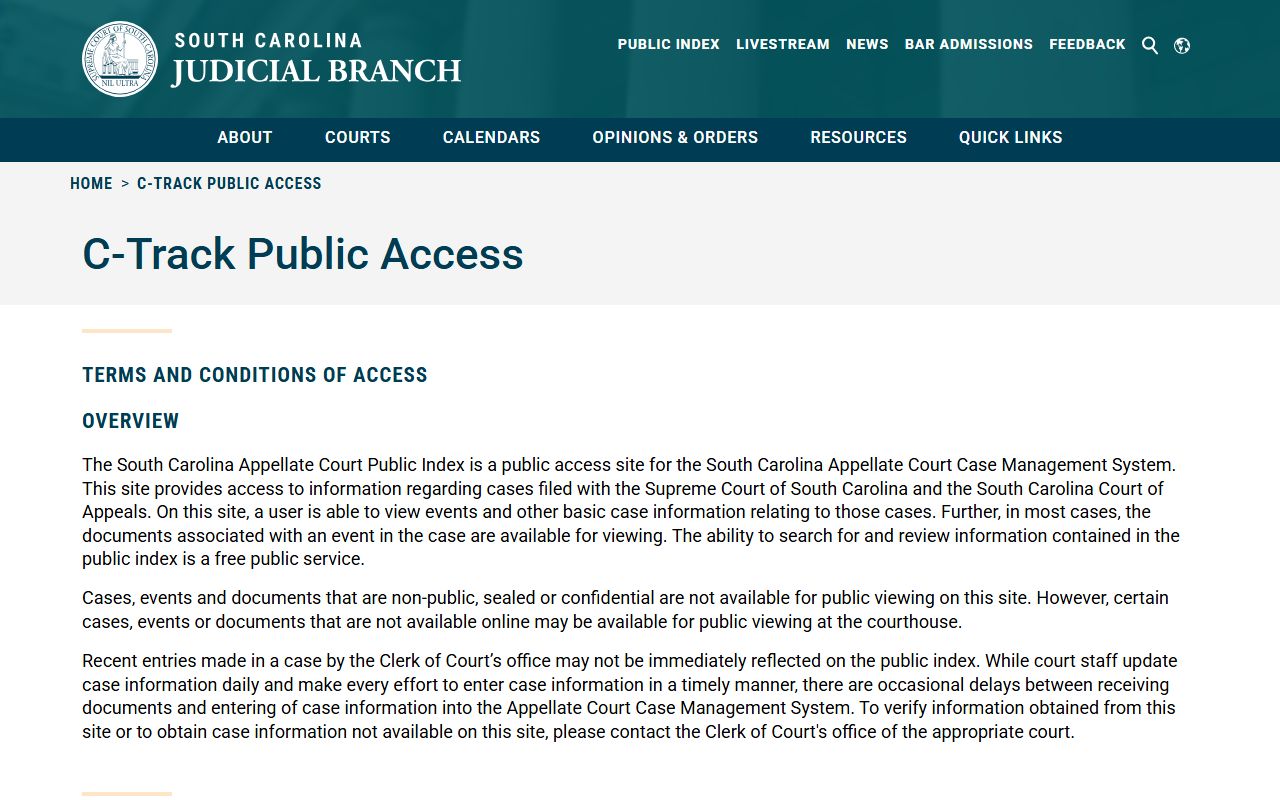
This state portal allows you to look up General Sessions cases by party name or case number for Newberry County and all other counties in the state.
How Warrants Are Issued in Newberry County
A warrant in Newberry County starts with a sworn statement. A person who has knowledge of a crime goes before a magistrate judge and provides facts under oath. The judge weighs whether there is probable cause. Under S.C. Code § 22-3-710, the magistrate has the power to issue a warrant if the facts support it. This applies to all criminal matters that begin at the magistrate level in Newberry County.
Law enforcement officers also bring warrant requests to judges. An officer writes up an affidavit that lays out the facts of the case. The judge reads it, asks questions if needed, and decides whether to sign. In Newberry County, most arrest warrants go through this process. Search warrants follow a similar path but must describe the exact place to be searched and the items sought, as required by S.C. Code § 17-13-140.
Once signed, the warrant is active. There is no time limit on arrest warrants in South Carolina. Under S.C. Code § 17-13-40, a warrant stays valid until the person named in it is found and taken into custody or a court recalls the warrant. Old warrants from years past can still lead to an arrest in Newberry County.
Note: A warrant must be based on facts, not guesses, and the judge must find probable cause before signing it in Newberry County.
Looking Up Warrant Records in Newberry County
You have several options for searching warrant records in Newberry County. The quickest way to check for basic case data is online. The South Carolina Judicial Branch runs a public case index at sccourts.org. Type in a name or case number and the system shows matching cases from courts across the state, including Newberry County General Sessions Court.
SLED operates the CATCH system at catch.sled.sc.gov. This tool runs background checks that may reveal active warrants tied to a person. There is a fee for this service. It pulls data from law enforcement agencies across South Carolina, so it can pick up Newberry County records along with those from other jurisdictions.
For the full warrant file, you need to visit the Clerk of Court in person. Online tools show basic details but not the complete documents. The courthouse in the city of Newberry holds all originals.
Public Records Access in Newberry County
The South Carolina Freedom of Information Act, S.C. Code § 30-4-10, gives you the right to request warrant records from Newberry County offices. Most warrant records are open to the public. You can submit a written request to the Clerk of Court or the Sheriff's office. Include the full name of the person, any case numbers you know, and the time frame you want covered.
Response times depend on the age of the records. Documents from the last 24 months must be provided within 10 business days. Older records allow up to 20 business days. Small copy fees may apply. If a record is sealed or exempt, the office will tell you and explain why.
South Carolina's FOIA law provides clear timelines for how long agencies have to respond to your records request.
Note: Always include as much detail as you can in your request so staff can find the right records quickly in Newberry County.
Newberry County and the 8th Judicial Circuit
Newberry County falls under the 8th Judicial Circuit. The circuit solicitor reviews cases that come from warrant arrests and decides whether to bring formal charges. Serious crimes move from magistrate court to General Sessions Court. The solicitor's office prepares indictments and handles prosecution at that level.
Less serious cases may stay at the magistrate level. Those warrants and case files remain with the local magistrate court in Newberry County. Either way, all warrant records are public once they enter the court system. You can look them up through the Clerk of Court or through the state's online case index.
Warrant Types Filed in Newberry County
Newberry County courts handle different types of warrants. Each one serves a specific legal purpose, and each creates a separate record in the court system.
- Arrest warrants direct law enforcement to take a named person into custody
- Bench warrants are issued when someone skips a court date
- Search warrants allow officers to look through a specific place for evidence
- Outstanding warrants have been signed but not yet served
Arrest warrants make up the bulk of what gets filed in Newberry County. A victim or a law enforcement officer brings the complaint to a magistrate. If the judge finds probable cause, the warrant goes out to the Sheriff for service. Bench warrants come up when a person fails to show for a scheduled hearing. The judge issues one right away, and it stays active until that person is found. Under § 17-15-90, bench warrants in South Carolina do not expire on their own.
Search warrants in Newberry County are more limited. They must name a specific address and list what officers expect to find there. After the search is done, the warrant and its return are filed with the court. These records become public once the case is no longer at a stage where disclosure could hurt the investigation.
Bond Hearings After a Warrant Arrest in Newberry County
When a person is arrested on a warrant in Newberry County, they go before a judge for a bond hearing. This usually happens within 24 hours. The judge sets a bond amount or denies bond based on the charges and the person's history. Bond conditions become part of the case record.
The state statutes that guide bond decisions include provisions about the risk of flight, the nature of the offense, and ties to the community. In Newberry County, magistrate judges handle most initial bond hearings. For serious felonies, a circuit court judge may set the bond. All bond records are filed with the Clerk of Court and are available to the public.
Note: If you believe you have a warrant in Newberry County, contact a lawyer before turning yourself in so you understand the bond process.
Cities in Newberry County
Newberry County includes the city of Newberry, which serves as the county seat. Prosperity, Whitmire, Little Mountain, Silverstreet, and Peak are also in the county. All warrant records for the county are filed through the Newberry County Clerk of Court and the Sheriff's office, regardless of which town the incident occurred in.
Nearby Counties
Newberry County borders several other counties in the central part of South Carolina. Warrants are filed in the county where the crime took place. If you are not sure which county applies, check the location tied to the incident.