
Williamsburg County Warrant Records Search
Williamsburg County warrant records are maintained by the Clerk of Court and the Sheriff's office in Kingstree. Kingstree is the county seat and home to the county courthouse. Williamsburg County is part of the 15th Judicial Circuit in South Carolina. Magistrate judges issue most warrants within the county, and the Clerk of Court stores the case files. You can search these records in person, online through state tools, or by filing a written request under the Freedom of Information Act.
Williamsburg County Clerk of Court
The Clerk of Court in Williamsburg County manages all court filings for General Sessions cases. Warrants, bonds, indictments, and dispositions all pass through this office. The courthouse is located on Main Street in Kingstree. Staff can look up records by name or case number and provide copies of documents in the file.
When a magistrate judge signs a warrant in Williamsburg County, it becomes a court record. The Sheriff's office carries out the warrant by locating and arresting the named person. After the arrest, the case moves through the court system. For minor charges, the magistrate court handles the full case. For felonies and serious misdemeanors, the file goes to General Sessions Court through the 15th Circuit Solicitor's office. In either path, the warrant stays in the public record at the Clerk of Court.
South Carolina court records, including those from Williamsburg County, can be searched through the state Judicial Branch website.
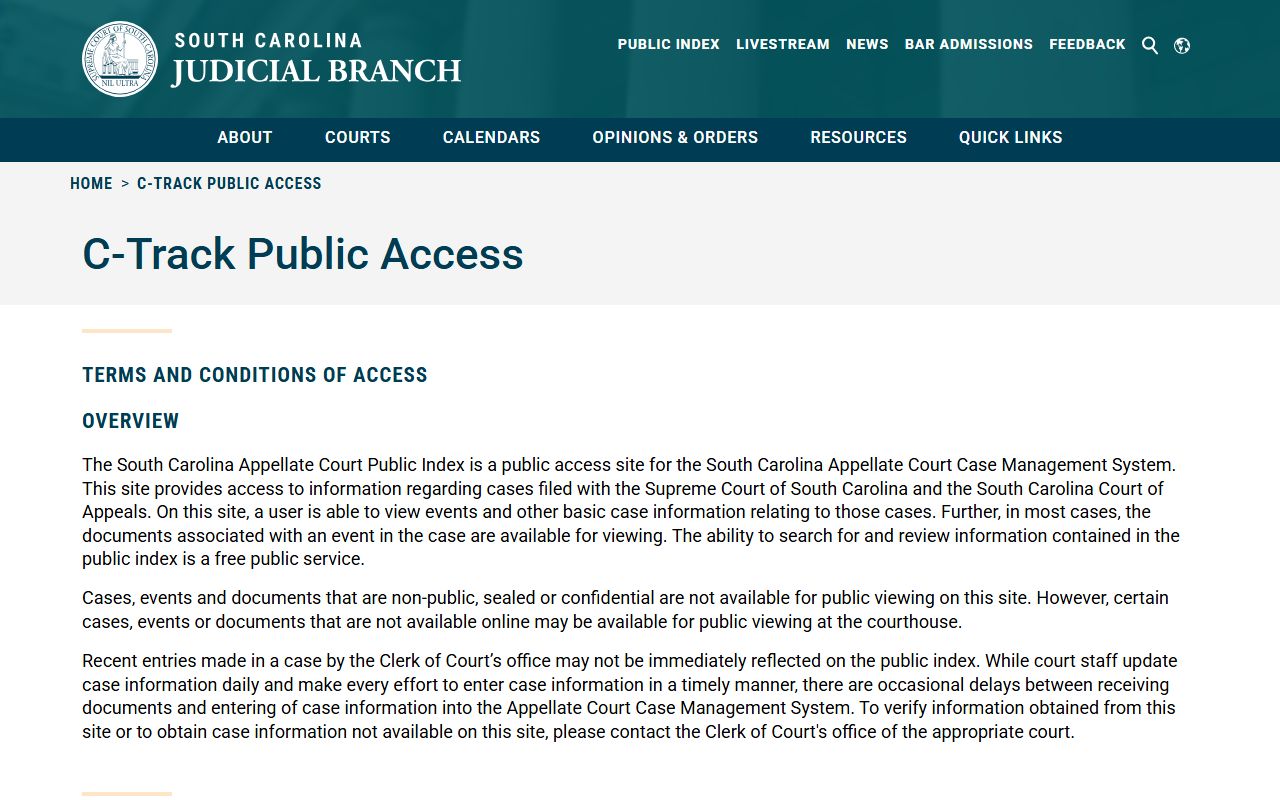
The state court index provides basic case details for General Sessions matters filed in Williamsburg County.
The Warrant Process in Williamsburg County
Getting a warrant in Williamsburg County starts with a sworn statement. A person who has been the victim of a crime, or a law enforcement officer with knowledge of an offense, goes before a magistrate judge. The judge reviews the facts presented under oath. If the judge finds probable cause under S.C. Code § 22-3-710, the warrant is signed and issued.
The Williamsburg County Sheriff's office then receives the warrant and works to find the person named in it. Once that person is in custody, a bond hearing takes place. The magistrate sets bail based on the charges and the person's ties to the community. All of these steps create documents that become part of the case record in Williamsburg County. The Clerk of Court files and stores each piece.
For search warrants, the process is slightly different. Under S.C. Code § 17-13-140, a law enforcement officer must give specific facts under oath about what evidence they expect to find and where. The judge decides if those facts are strong enough to justify the search. If so, the warrant is signed. After the search is done, the officer files a return with the court that lists what was found. This return and the warrant itself become part of the Williamsburg County court record.
Looking Up Warrant Records in Williamsburg County
You have several options for finding warrant records in Williamsburg County. The right choice depends on how much detail you need and how quickly you need it.
The fastest free option is the South Carolina Judicial Branch case search at sccourts.org. This tool covers all counties, including Williamsburg. You can search by a person's name or by case number. It shows basic information like charges, filing dates, and current case status. It does not show the full warrant document. For that, you need to contact the Clerk of Court in Kingstree directly.
SLED runs a statewide criminal background check system called CATCH. You can access it at catch.sled.sc.gov. This paid service searches criminal history records and may show active warrants tied to a person. It pulls from databases across the state, so it is useful if you want to check more than just Williamsburg County at one time.
The SLED CATCH system provides statewide criminal record searches that may include active warrant data from Williamsburg County.
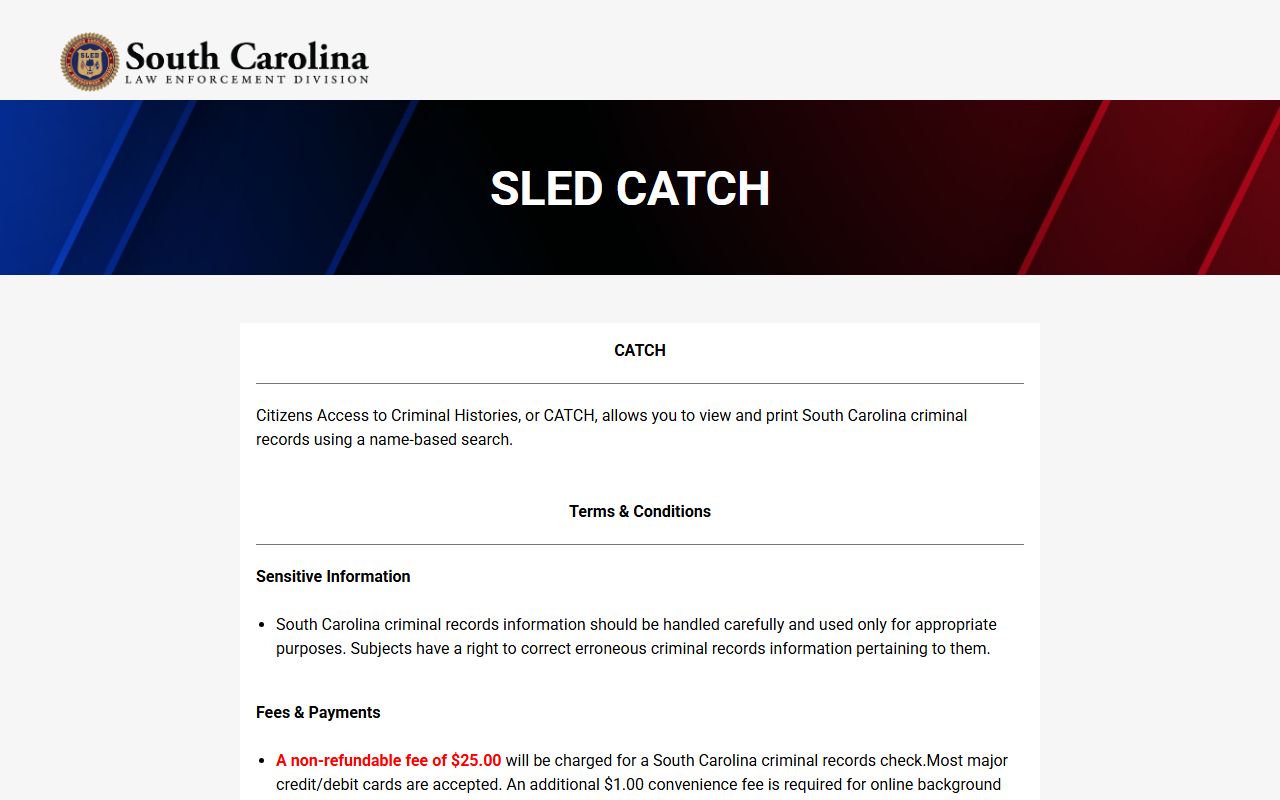
A CATCH background check covers all South Carolina counties in a single search.
You can also visit the Williamsburg County Courthouse on Main Street in Kingstree. The Clerk of Court staff can pull up records and make copies for you. Bring a valid ID and any details you have about the person or case. This is the best way to get the most complete and current information on any warrant filed in Williamsburg County.
Filing a Public Records Request in Williamsburg County
South Carolina's Freedom of Information Act guarantees public access to government records. Under S.C. Code § 30-4-10, warrant records held by the Williamsburg County Clerk of Court or Sheriff's office are generally open to the public. You do not need to be involved in the case to ask for them.
To make a FOIA request in Williamsburg County, send a written request to the office that holds the records. State the person's name, the type of record you want, and any case numbers or dates you know. The law requires a response within 10 business days for records created in the past 24 months. Older records may take up to 20 business days. Copy fees may apply, and you can ask about costs before the work is done.
Keeping your request specific helps the staff find what you need faster. Broad requests that cover a wide date range or many names may take longer to fill and cost more in Williamsburg County.
Williamsburg County and the 15th Judicial Circuit
Williamsburg County falls within the 15th Judicial Circuit. The circuit solicitor prosecutes criminal cases that go beyond the magistrate level. When a warrant leads to a felony charge, the solicitor reviews the case and decides whether to seek an indictment from the grand jury. If the grand jury returns a true bill, the case is set for trial in General Sessions Court.
The 15th Circuit covers Williamsburg County along with other nearby counties. Circuit court judges rotate through the counties on a set schedule. General Sessions terms in Williamsburg County are held at the courthouse in Kingstree. Docket sheets and case information are available through the SC Courts Public Index. You can also get this information at the Clerk of Court office in person.
South Carolina statutes on criminal procedure and warrant requirements are published on the state Legislature website.
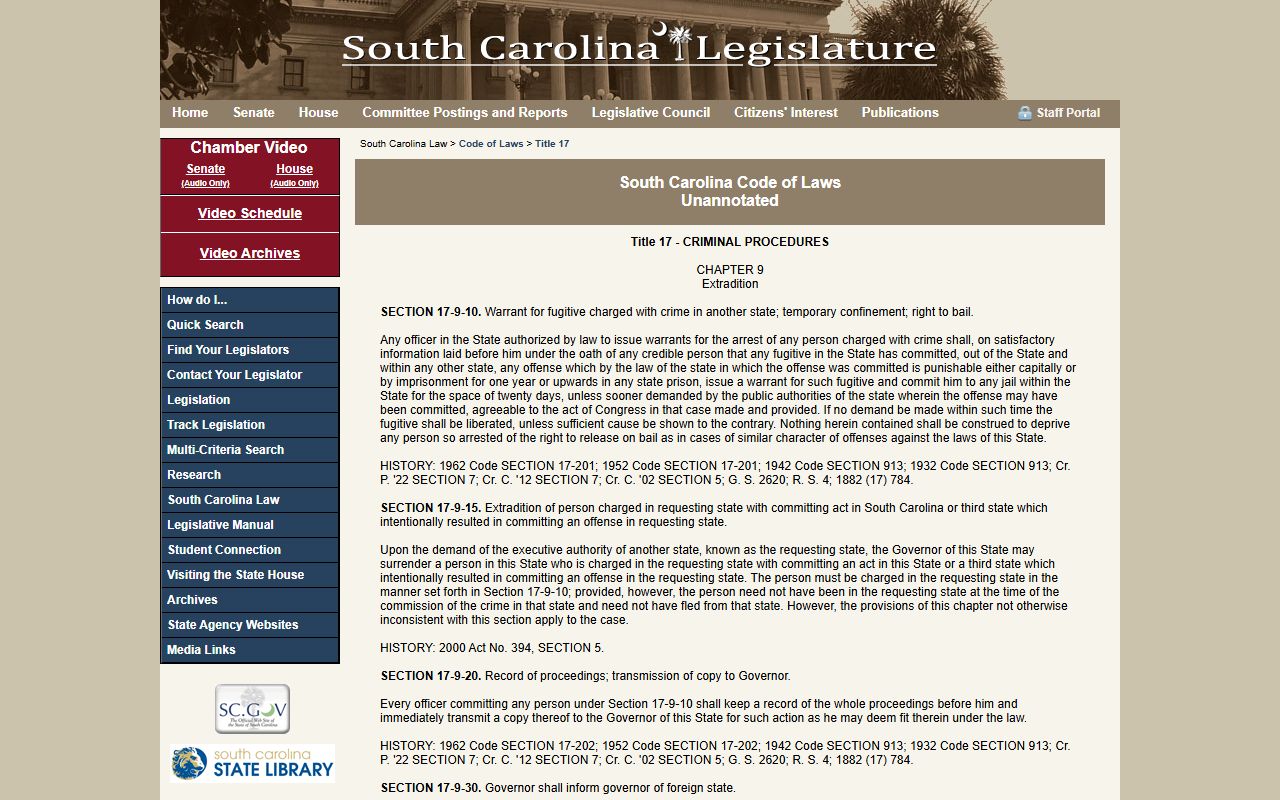
The full text of warrant-related laws is available to the public through the South Carolina Code of Laws.
Active and Outstanding Warrants in Williamsburg County
Warrants in South Carolina have no expiration date. Under S.C. Code § 17-13-40, an arrest warrant remains active until the person is found and taken into custody. A judge can also recall a warrant, but this is rare. In Williamsburg County, outstanding warrants can sit in the system for years. A person with an old warrant may be arrested during a routine traffic stop or other contact with law enforcement.
Bench warrants follow the same rule. When a person fails to appear for a scheduled court date, the judge issues a bench warrant under § 17-15-90. This warrant stays open until it is served. Bench warrants are common in Williamsburg County for traffic cases, minor criminal charges, and missed hearings. If you believe you have an outstanding bench warrant, contact the Clerk of Court in Kingstree to check your case status.
- Arrest warrants are issued based on probable cause and do not expire
- Search warrants must describe the place and items with specificity
- Bench warrants result from missed court dates and remain active
- Outstanding warrants can lead to arrest at any time in Williamsburg County
Dealing with an active warrant on your own terms is almost always better than being picked up by surprise. Talk to a lawyer or contact the court in Williamsburg County to find out what steps you can take.
What Williamsburg County Warrant Records Show
A warrant record in Williamsburg County contains several pieces of information. The warrant itself names the person, lists the charges, and states the facts that support probable cause. It also shows the date it was issued and the name of the judge who signed it. After the warrant is served, the record grows to include the arrest date, bond details, and any court appearances that follow.
As the case moves through the system, more documents are added. These can include indictments, plea agreements, trial records, and sentencing orders. All of these are part of the public file in Williamsburg County unless a judge orders part of the record sealed. Most warrant records are fully open to the public under S.C. Code § 30-4-10. You can review them at the courthouse or request copies through a FOIA submission.
Cities in Williamsburg County
Williamsburg County includes several small towns. Kingstree is the county seat and the location of the courthouse. All warrant records for the county are filed through the Clerk of Court office in Kingstree.
Hemingway, Lane, Stuckey, and Greeleyville are also in Williamsburg County. Residents of any town can look up warrant records at the courthouse on Main Street in Kingstree or through the state online tools.
Nearby Counties
Williamsburg County is located in the eastern part of South Carolina. It shares borders with several other counties. If you are not sure which county a case belongs to, check the address where the alleged offense took place. Warrants are issued in the county where the crime occurred.