
Myrtle Beach SC Warrant Records
Myrtle Beach warrant records are handled by the Myrtle Beach Police Department and the Horry County Sheriff. The city sits in Horry County along the Grand Strand coast. Both local and county law enforcement issue warrants here. Active warrants from the municipal court cover city code and traffic offenses, while the county sheriff handles felony and misdemeanor warrants across the broader jurisdiction. Residents can check warrant status by phone, in person, or through online tools that cover Horry County records.
How to Search for Warrants in Myrtle Beach
The most direct way to check for an active warrant in Myrtle Beach is to call the Horry County Sheriff Warrant Department at (843) 915-8347. Staff can tell you if a warrant exists for a named person. This phone line handles warrant inquiries for all of Horry County, which includes Myrtle Beach. You can also reach the Myrtle Beach Police Department at (843) 918-1382 for questions about warrants tied to city cases.
For bench warrants issued by the Myrtle Beach Municipal Court, call (843) 918-1356. Bench warrants come from missed court dates or failure to pay fines. These are different from arrest warrants, which stem from new criminal charges. Under South Carolina law, a judge issues an arrest warrant when there is probable cause to believe a crime occurred, as set out in S.C. Code Ann. § 17-13-140. Bench warrants carry the same legal force and can lead to arrest at any time.
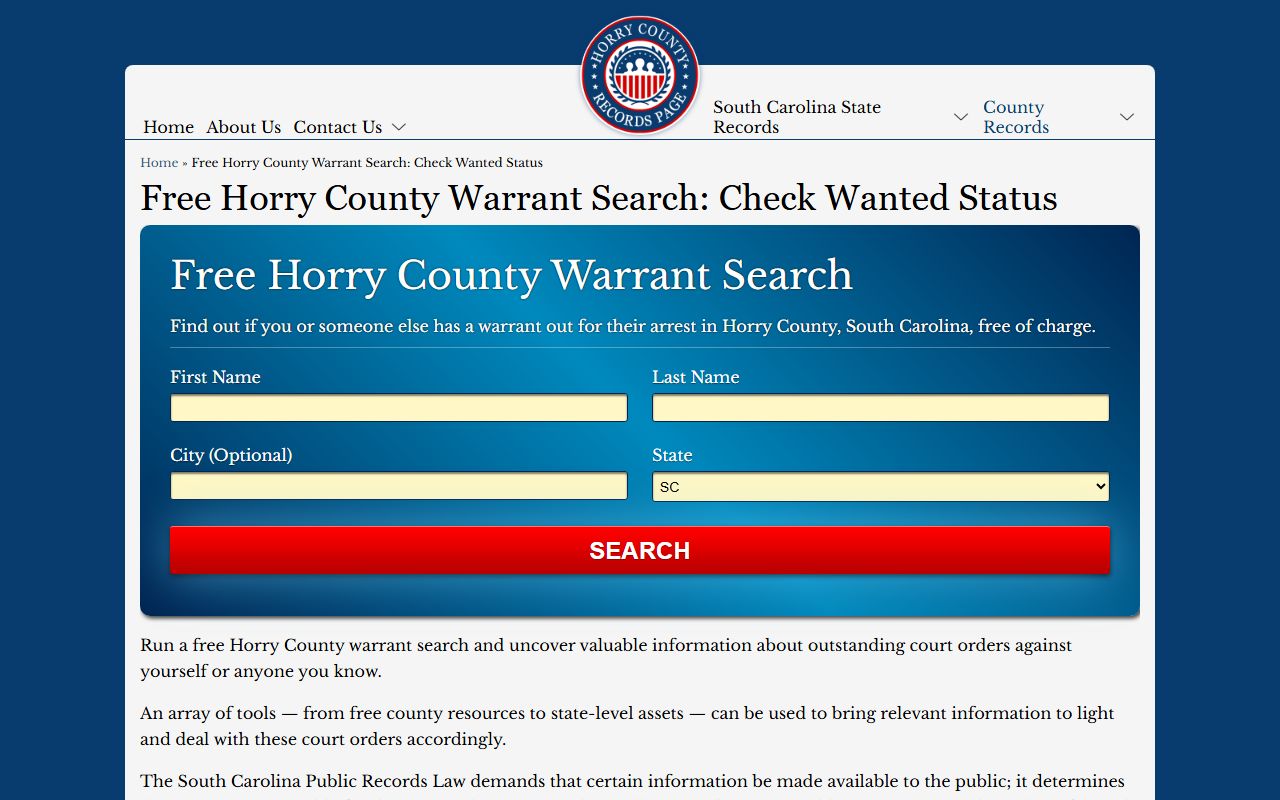
The Horry County warrant search portal provides an online option for checking warrant records that cover Myrtle Beach. You can search by name to see if there is an outstanding warrant in the county system. This tool pulls data from county records and may include warrants from the Myrtle Beach Municipal Court as well as magistrate courts across Horry County.
You can visit the Myrtle Beach Police Department in person at 1101 N Oak Street. The front desk can help with general questions about warrants and police reports. Reports are available free online through the department website, which saves a trip for many routine requests.
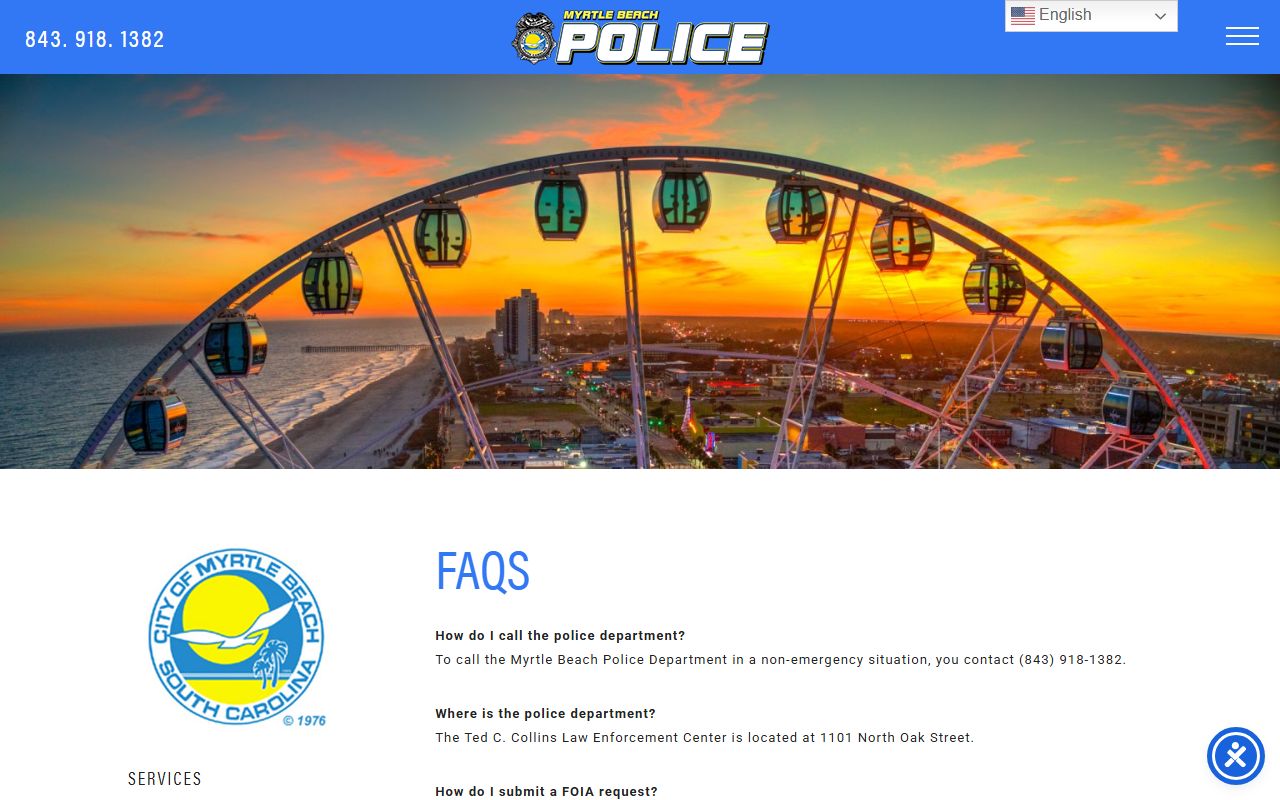
The Myrtle Beach Police Department FAQ page at police.cityofmyrtlebeach.com covers common questions about police records, warrant checks, and how to handle open warrants. It is a good starting point if you are not sure which office to call first.
Types of Warrants in Myrtle Beach
Arrest warrants are the most common type. A law enforcement officer swears out an affidavit before a magistrate or municipal judge, stating the facts that support probable cause. The judge then issues the warrant under § 17-13-140. Once signed, the warrant goes into the system and any officer in South Carolina can serve it.
Bench warrants come from the court itself. When someone fails to appear for a scheduled hearing at the Myrtle Beach Municipal Court, the judge can issue a bench warrant on the spot. This happens often with traffic cases, minor offenses, and code violations. The Myrtle Beach detention center at (843) 918-1088 processes people brought in on bench warrants just like any other arrest.
Search warrants allow officers to enter and search a specific location for evidence. These are less visible to the public because they are sealed during active investigations. After the case closes, search warrant records may become available through court filings. South Carolina's Freedom of Information Act under § 30-4-10 governs public access to many law enforcement records, though active investigation files have exemptions.
Failure to appear warrants are a subset of bench warrants. They carry serious consequences in Myrtle Beach. A missed court date can add new charges and lead to higher bond amounts when the person is finally picked up. The court may also suspend driving privileges under certain conditions.
Public Records Requests in Myrtle Beach
The City of Myrtle Beach accepts Freedom of Information Act requests through an online portal. You can submit a FOIA request at myrtlebeachsc.justfoia.com to obtain police reports, incident records, and other public documents held by the city. This is the fastest way to get records from city departments.
FOIA requests are governed by § 30-4-10, the South Carolina Freedom of Information Act. Public bodies must respond within 10 business days of receiving a request. Some records are exempt from disclosure, including active criminal investigation files and certain personal information. Warrant records themselves are generally public once served, though pending warrants may be restricted during active investigations.
Police reports from the Myrtle Beach Police Department are available free online for many incident types. This is unusual for South Carolina cities, where most departments charge a fee for copies. You can check the department website or email askacop@cityofmyrtlebeach.com with questions about specific records.
What Happens After an Arrest on a Warrant
When someone is picked up on a warrant in Myrtle Beach, they go to the city detention center or the Horry County jail depending on the charge. City offenses go through the municipal system. County and state charges go through the county detention center. Either way, the person must see a judge for a bond hearing.
Bond in South Carolina is governed by § 17-15-90. The judge considers the nature of the charge, the person's ties to the community, prior record, and risk of flight. For minor offenses handled at the Myrtle Beach Municipal Court, bond amounts tend to be lower. Serious felonies go before a circuit court judge, and bond can be much higher or denied altogether.
Under § 17-13-40, any law enforcement officer in the state can serve a warrant. This means a Myrtle Beach warrant can be served during a traffic stop in another county. Warrants do not expire in South Carolina. They stay active until the person is arrested or the court recalls the warrant. People with outstanding warrants sometimes learn about them during routine encounters with police, at traffic checkpoints, or when trying to renew a license.
Turning yourself in is often the best course of action. Contact a lawyer first if possible. You can reach the Horry County Clerk of Court, South Strand office, at 9630 Scipio Lane or call (843) 915-5082 for information about pending cases. The South Carolina Court Case Search at sccourts.org lets you look up case details online.
Statewide Warrant Resources
SLED, the South Carolina Law Enforcement Division, maintains the CATCH system for criminal background checks. The SLED CATCH portal provides criminal history reports for a $25 fee. These reports show arrests, charges, and dispositions across the state, which can reveal whether warrants led to convictions.
The South Carolina Judicial Branch case search at sccourts.org covers court records from all counties. You can search by name to find cases filed in Myrtle Beach or anywhere in Horry County. The system shows case status, hearing dates, and party information. It does not show active warrants directly, but it can reveal bench warrants through case notes and failure-to-appear entries.
Myrtle Beach draws millions of visitors each year, and warrant issues sometimes cross county lines. Magistrate courts under § 22-3-710 have jurisdiction over minor criminal matters and can issue warrants for offenses within their territory.
Horry County Warrant Records
Myrtle Beach is in Horry County. The county sheriff and clerk of court handle warrants and court records for the entire county, including Myrtle Beach. For more about county-level warrant searches, fees, and resources, visit the Horry County warrant records page.
Nearby South Carolina Cities
These cities are near Myrtle Beach and have their own warrant record resources. Pick a city to learn more about warrant searches in that area.