
Union County South Carolina Warrant Records
Union County warrant records are filed and stored at the Clerk of Court office in the city of Union, the county seat. The county is part of the 7th Judicial Circuit. Magistrate judges and circuit court judges issue warrants for arrests and searches within Union County. You can look up these records at the courthouse on Main Street, through state court databases, or by filing a public records request under the South Carolina Freedom of Information Act. The Sheriff's office carries out warrants once they are signed by a judge.
Union County Clerk of Court and Warrant Records
The Clerk of Court in Union County handles all General Sessions filings. This includes warrants, bonds, indictments, and case dispositions. The office sits in the Union County Courthouse on Main Street in Union. Staff can help you find records by name or case number. They also process bond paperwork and maintain docket sheets for cases that start with a warrant.
When law enforcement in Union County obtains a warrant, the case file moves through the court system. Minor charges may stay at the magistrate level. More serious offenses go to General Sessions Court through the 7th Circuit Solicitor's office. In both cases, the warrant becomes part of the public court record once it is processed. The Clerk of Court keeps these files and makes them available to the public under state law.
The South Carolina Judicial Branch provides online access to court case records across all counties, including Union County.
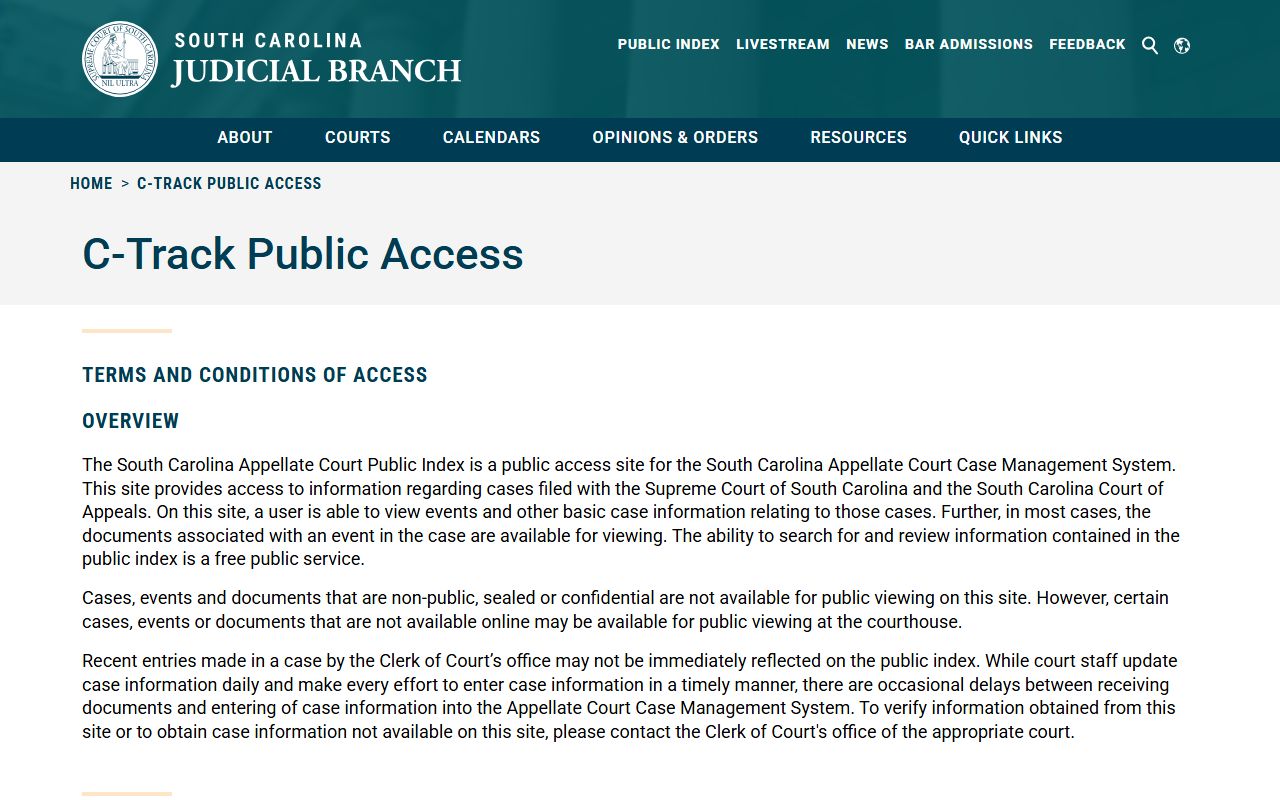
You can search for Union County cases by name or case number through the state court system website.
How Warrants Are Issued in Union County
A warrant gives law enforcement the legal right to arrest a person or search a place. In Union County, most warrants start when a victim or officer files a sworn statement with a magistrate judge. The judge looks at the facts and decides if there is probable cause. Under S.C. Code § 22-3-710, the magistrate must find enough evidence to believe a crime was committed before signing the warrant.
Search warrants follow a stricter set of rules. Under S.C. Code § 17-13-140, an officer must present specific facts under oath to a judge. The warrant has to name the place to be searched and the items or evidence that officers expect to find there. Once signed, the warrant is carried out and then returned to the court. After the search is done, the warrant and its return become part of the public file in Union County.
Arrest warrants in South Carolina do not expire. Under S.C. Code § 17-13-40, a warrant stays active until the person is taken into custody or a judge recalls it. This means a warrant from years ago can still lead to an arrest in Union County. Bench warrants work the same way. If a person fails to show up for court, the judge issues a bench warrant under § 17-15-90. That warrant stays open until it is served or the court takes other action.
Once the Union County Sheriff's office serves a warrant, the person is brought before a judge for a bond hearing. The bond amount and conditions are set based on the charges and the person's history. All of this is recorded in the case file at the Clerk of Court office.
How to Search Union County Warrant Records
There are a few ways to look up warrant records in Union County. Each method gives you a different level of detail. You can search online, visit the courthouse, or submit a written request.
The South Carolina Judicial Branch runs a free public case search at sccourts.org. You can look up cases by party name or case number. This tool covers General Sessions cases in Union County and all other counties in the state. It shows basic details like charges, filing dates, and case status. For copies of the actual warrant or other documents, you need to contact the Union County Clerk of Court.
SLED also runs the CATCH system at catch.sled.sc.gov. This is a criminal background check tool. It may show active warrants tied to a person's record. There is a fee for this search, but it covers the entire state. It is useful if you want to check for warrants across multiple counties at once, not just Union County.
The South Carolina SLED CATCH portal allows statewide criminal record checks that may include warrant information for Union County residents.
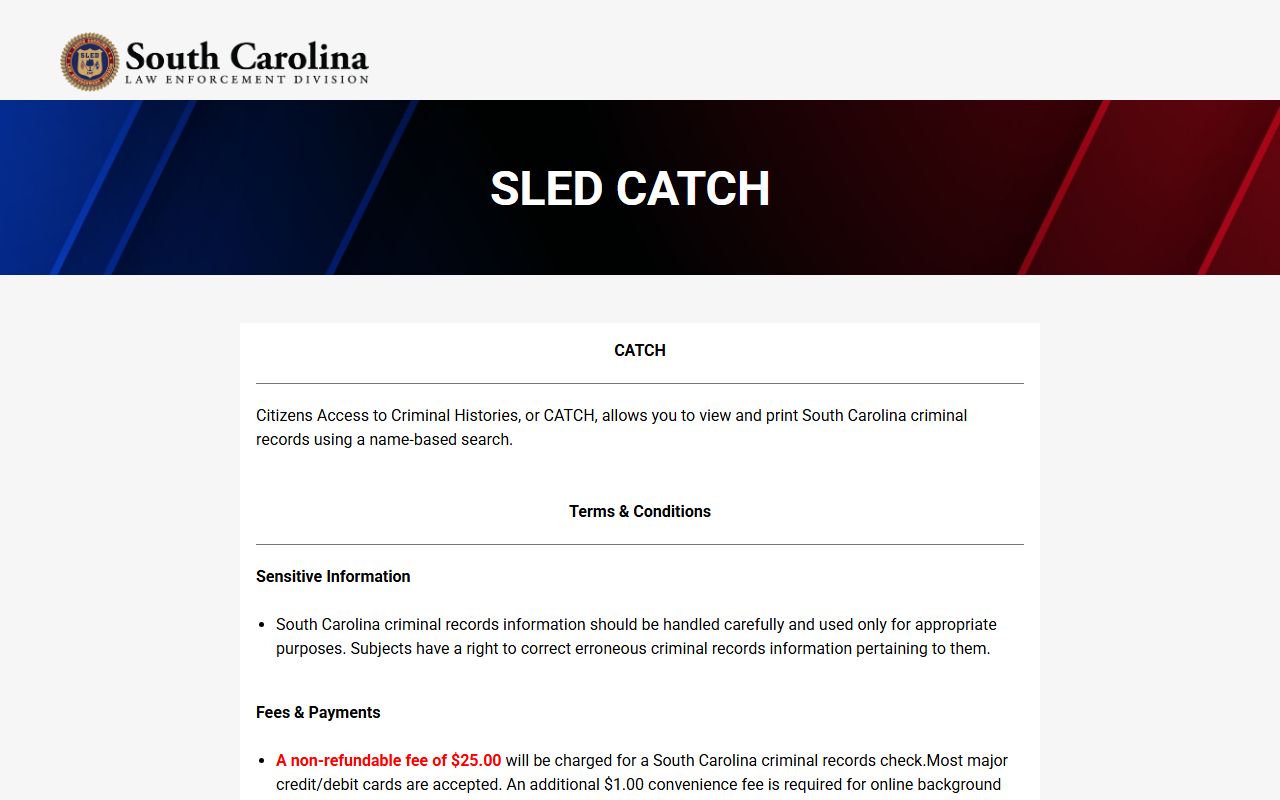
Background checks through SLED can reveal active warrants across all South Carolina counties.
For the most current data, go to the Union County Courthouse in person. The Clerk of Court staff can search by name and pull up warrant records on the spot. Bring valid ID and any details you have about the case. You can also call the office to ask about a specific case before you visit.
Public Records Requests in Union County
The South Carolina Freedom of Information Act gives the public the right to access government records. Under S.C. Code § 30-4-10, most warrant records in Union County are open to anyone who asks. You do not need to be a party to the case to request them.
To file a FOIA request in Union County, write to the Clerk of Court or the Sheriff's office. Include the person's full name, any case numbers you have, and the date range you are interested in. Records created in the past 24 months must be provided within 10 business days. Older records may take up to 20 business days. Small copy fees may apply, so ask about costs when you submit your request.
South Carolina's FOIA statute outlines the public's right to access government records, including warrant files held in Union County.
Filing a written request creates a clear record of your inquiry and helps staff locate the documents you need.
Union County and the 7th Judicial Circuit
Union County is part of the 7th Judicial Circuit in South Carolina. The 7th Circuit Solicitor handles prosecution of criminal cases that move past the magistrate level. When a warrant leads to an arrest on a serious charge, the solicitor reviews the evidence and decides whether to present the case to a grand jury for indictment.
General Sessions Court in Union County handles felonies and high-level misdemeanors. The circuit court judge presides over these cases. All warrants, indictments, and other filings for General Sessions cases are kept by the Clerk of Court. You can view docket information through the SC Courts Public Index or by going to the courthouse in Union. Magistrate court handles lower-level offenses, and those records are also public in Union County.
Types of Warrants Filed in Union County
Union County courts issue several kinds of warrants. Each one serves a distinct role in the legal process.
- Arrest warrants let officers take a named person into custody
- Bench warrants are issued when someone skips a court date
- Search warrants allow officers to search a specific location for evidence
- Outstanding warrants are active warrants that have not yet been served
Arrest warrants make up the bulk of warrant records in Union County. A victim or law enforcement officer swears out a complaint before a magistrate. The judge reviews the facts and, if probable cause is found, signs the warrant. The Sheriff's office then takes steps to find and arrest the person named in the warrant. Once served, the case moves to a bond hearing and then through the court process. Every step is logged in the Union County court record.
Bench warrants arise when a defendant misses a court appearance. The judge issues the warrant right from the bench. These are common in traffic cases and minor criminal matters. If you think you may have a bench warrant in Union County, call the Clerk of Court to check. Resolving the matter on your own is usually better than waiting for the Sheriff to find you.
South Carolina Warrant Law and Union County
South Carolina law sets the rules for how warrants are issued, served, and stored. These rules apply in Union County just as they do in every other county in the state. The key statutes include Title 17, Chapter 13 on arrest and search warrants, and Title 22, Chapter 3 on magistrate court procedures.
One important point is that South Carolina warrants do not have a set time limit. An arrest warrant stays valid until it is served or a judge withdraws it. This fact catches some people off guard. A warrant from five or ten years ago can still result in an arrest during a routine traffic stop in Union County. The best course of action is to deal with any open warrant as soon as you learn about it. Contact a lawyer or the Clerk of Court in Union County for guidance on how to address an outstanding warrant.
You can also look up warrant-related statutes through the South Carolina Legislature website to read the full text of the laws that govern warrant procedures in Union County.
State statutes on warrants and criminal procedure are published on the South Carolina Legislature website for public reference.
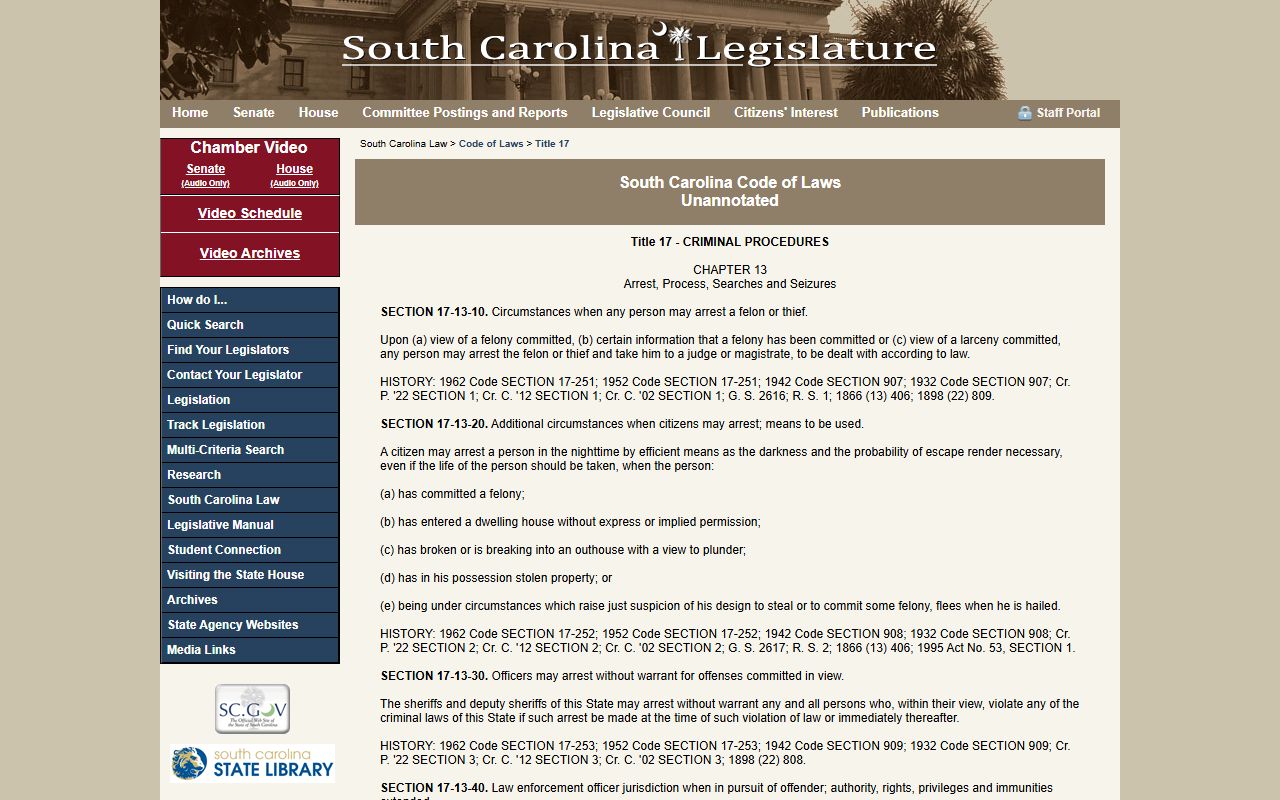
Reading the statutes can help you understand your rights when dealing with warrant records in Union County.
Cities in Union County
Union County has a small number of towns and communities. The city of Union is the county seat and the center of government services. All warrant records for the county are filed through the Union County Clerk of Court and Sheriff's office.
Jonesville, Carlisle, and Lockhart are also in Union County. Residents of any of these towns can access warrant records at the courthouse on Main Street in Union.
Nearby Counties
Union County borders several other counties in the upstate region of South Carolina. If you are not sure where a case was filed, check the location where the alleged crime took place. Warrants are filed in the county where the offense occurred.