
York County Warrant Records and Most Wanted Search
York County warrant records are managed by the Clerk of Court and the Sheriff's office in York, the county seat. York County is one of the faster-growing counties in South Carolina, with Rock Hill as its largest city. The county belongs to the 16th Judicial Circuit. Law enforcement agencies across York County, including the Rock Hill Police Department, work with magistrate and circuit courts to issue and serve warrants. The Sheriff's office also maintains a most wanted list that highlights individuals with active warrants.
York County Clerk of Court and Criminal Records
The York County Clerk of Court handles all General Sessions filings. This includes warrants, indictments, bonds, guilty pleas, and sentencing records. The office is located at the York County Courthouse in the city of York. Staff members can search for records by name, case number, or charge type. They also accept public records requests and provide copies of court documents.
York County sees a higher volume of criminal cases than many other South Carolina counties due to its population size. Rock Hill, Fort Mill, and other growing towns drive steady court activity. Every warrant that is issued and served in York County creates a file at the Clerk of Court office. These files are public records under state law. Anyone can ask to see them or get copies for a small fee.
The South Carolina Judicial Branch provides online access to court records from York County and every other county in the state.
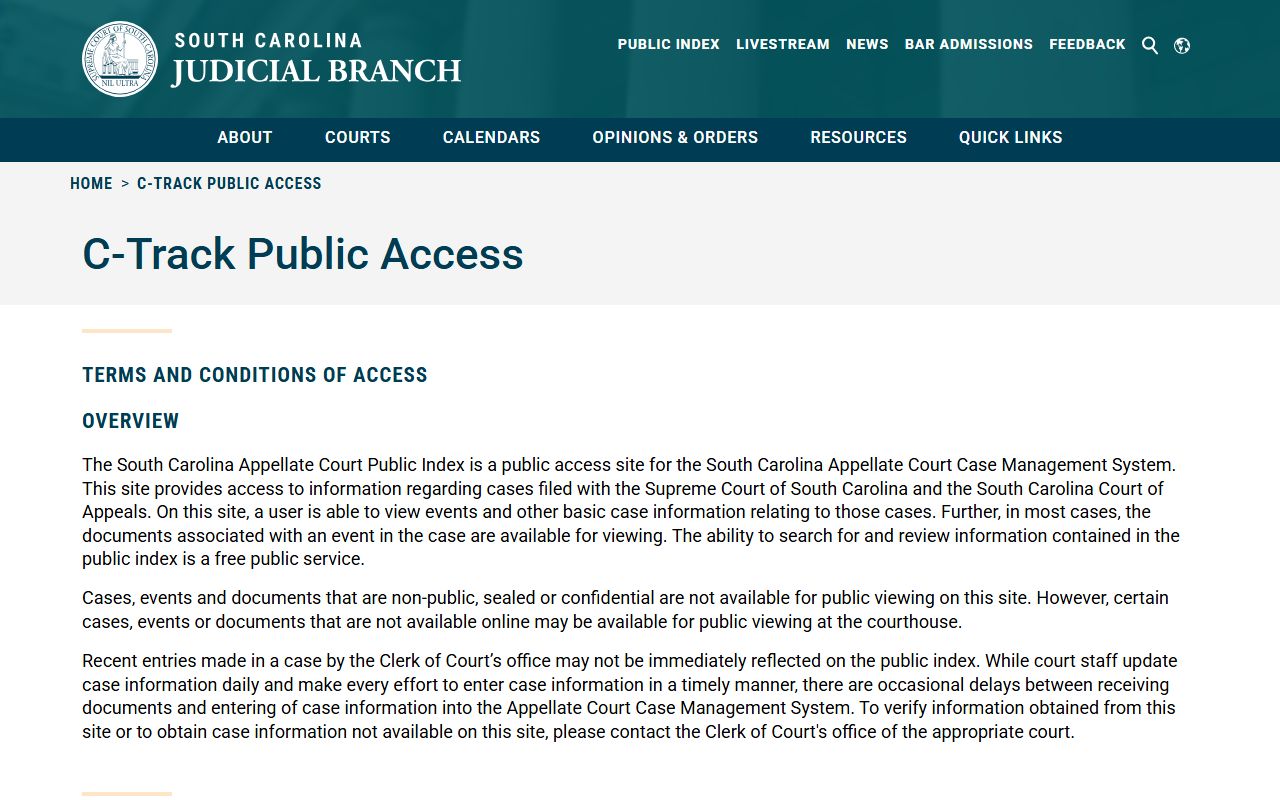
You can search York County General Sessions cases through the state court website at no cost.
York County Most Wanted List
The York County Sheriff's office publishes a most wanted list. This list names people who have active warrants and have not yet been found by law enforcement. It is updated as new warrants are issued and as people are taken into custody. The list typically includes the person's name, photograph, charges, and other identifying details.
Most wanted lists serve two purposes. They help law enforcement find people who are avoiding arrest. They also let the public know who may be at large in their area. If you see someone on the York County most wanted list, you can call the Sheriff's office or submit a tip. Do not try to approach or detain the person yourself. Some of the warrants on the list involve serious charges.
The Rock Hill Police Department also plays a large role in warrant activity across York County. As the biggest city in the county, Rock Hill generates a significant share of criminal cases. Officers there work with magistrate courts to obtain warrants and with the Sheriff's office to track down people with active warrants. Coordination between these agencies helps keep the most wanted list current and accurate.
How Warrants Work in York County
A warrant in York County begins with a sworn complaint. A victim or police officer presents facts to a magistrate judge. The judge weighs whether the facts show probable cause that a crime was committed. If so, the judge signs the warrant under S.C. Code § 22-3-710. The warrant then goes to law enforcement for service.
Search warrants follow a separate track. Under S.C. Code § 17-13-140, an officer must describe under oath the specific place to be searched and the items to be seized. A judge reviews the request and decides if the facts support it. Once signed, officers carry out the search and file a return with the court that lists what they found. Both the warrant and the return become part of the York County court record.
Arrest warrants in South Carolina never expire on their own. Under S.C. Code § 17-13-40, the warrant stays active until the person is found or a judge pulls it back. York County has a large population and multiple police departments. This means more warrants are issued here than in most other counties. The Sheriff's office and local police departments all work to serve these warrants as quickly as they can.
The South Carolina SLED CATCH system allows statewide background checks that may show warrant information for York County residents.
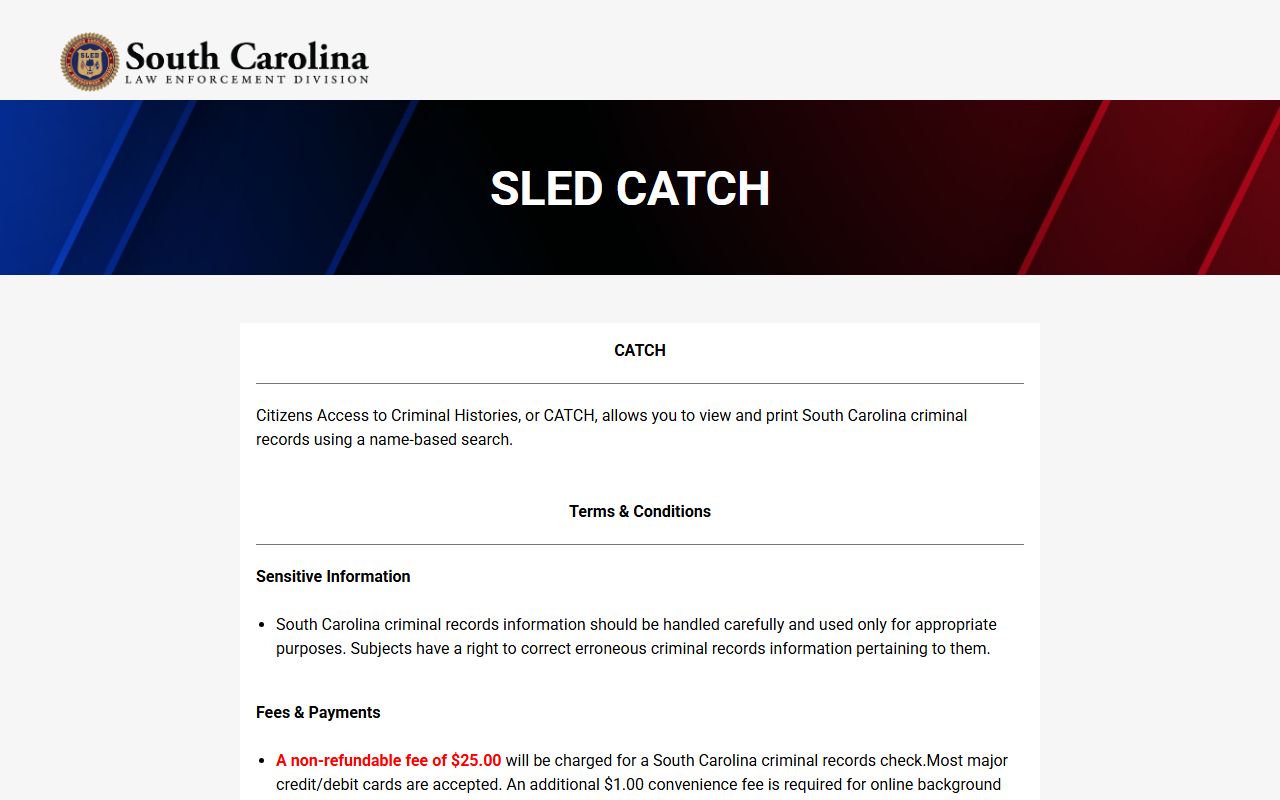
SLED background checks cover all counties in one search and can flag active warrants from York County.
How to Search York County Warrant Records
Several tools are available for searching York County warrant records. Online options work well for basic lookups. For full documents, you need to contact the Clerk of Court directly.
The SC Judicial Branch public case search at sccourts.org is free. Enter a name or case number to find General Sessions cases from York County. Results include charges, filing dates, and case status. This tool does not show the actual warrant document, but it confirms whether a case exists and what stage it is at. For copies of the warrant itself, contact the York County Clerk of Court.
The SLED CATCH system at catch.sled.sc.gov runs paid criminal background checks. These searches cover all of South Carolina and may reveal active warrants, arrests, and convictions. This is helpful if you want to check a person's record across the whole state, not just York County.
You can also go to the York County Courthouse in person. The Clerk of Court staff will search records and provide copies. Bring a valid photo ID and any details you have about the case. In-person visits give you access to the most complete and current records available in York County.
Public Records Requests in York County
Under S.C. Code § 30-4-10, the South Carolina Freedom of Information Act gives the public the right to access government records. Warrant records in York County fall under this law. You do not need to explain why you want them, and you do not need to be a party to the case.
To file a FOIA request, write to the York County Clerk of Court or the Sheriff's office. Include as much detail as you can. The person's full name, any known case numbers, and approximate dates will help staff locate the right records. State law requires a response within 10 business days for records from the past 24 months. Older records have a 20-day window. Fees for copies are typically small, but you should ask about them before the work begins.
South Carolina FOIA law establishes the public's right to obtain warrant records and other government documents from York County offices.
A written FOIA request ensures your inquiry is documented and processed within the timelines set by state law.
York County and the 16th Judicial Circuit
York County is part of the 16th Judicial Circuit. The 16th Circuit Solicitor prosecutes all felony and serious misdemeanor cases that originate from warrants in York County. When a magistrate court warrant leads to an arrest on a major charge, the solicitor reviews the evidence and decides whether to present the case to a grand jury.
General Sessions Court in York County handles the most serious criminal matters. Circuit court judges preside over trials, plea hearings, and sentencing. All filings for these cases are kept at the Clerk of Court office. You can view docket information through the SC Courts website or at the courthouse. Magistrate court handles lower-level offenses, and those records are also public.
Because York County has a large and growing population, the General Sessions docket stays busy. The solicitor's office, the Clerk of Court, and the Sheriff's office all coordinate to move cases through the system. Warrant records are created at each step of this process and remain available to the public.
Types of Warrants in York County
York County courts and magistrates issue several kinds of warrants. Each type serves a specific legal purpose.
- Arrest warrants authorize law enforcement to take a named person into custody
- Bench warrants are issued when a defendant fails to appear for court
- Search warrants allow officers to search a named place for specific evidence
- Outstanding warrants are active warrants that have not yet been served
Arrest warrants account for the largest share of warrant records in York County. With Rock Hill, Fort Mill, Clover, and other towns all generating cases, the volume is steady. A victim or officer swears out a complaint, a magistrate reviews it, and the warrant is signed if probable cause exists. The Sheriff's office or local police then serve the warrant. After the arrest, the person goes before a judge for a bond hearing. Every step produces records that are stored at the Clerk of Court office in York County.
Bench warrants are also common. These come into play when a person skips a court date. The judge issues the warrant from the bench, and it stays active until the person is picked up or turns themselves in. If you think you may have a bench warrant in York County, call the Clerk of Court to check. Addressing it on your own is better than waiting for law enforcement to find you during a traffic stop or other encounter.
Warrant Laws That Apply in York County
South Carolina state law governs how warrants are issued, served, and stored in York County. The key statutes cover everything from the probable cause standard to public access rights. Understanding these laws can help you know what to expect when you search for or deal with a warrant in York County.
Under S.C. Code § 17-13-140, search warrants require specific facts under oath and a judge's approval. Arrest warrants under § 22-3-710 need probable cause. Warrants do not expire under § 17-13-40, and bench warrants for failure to appear are covered by § 17-15-90. The Freedom of Information Act at § 30-4-10 ensures the public can access these records once they are filed with the court.
South Carolina warrant statutes are published on the state Legislature website and available for public review.
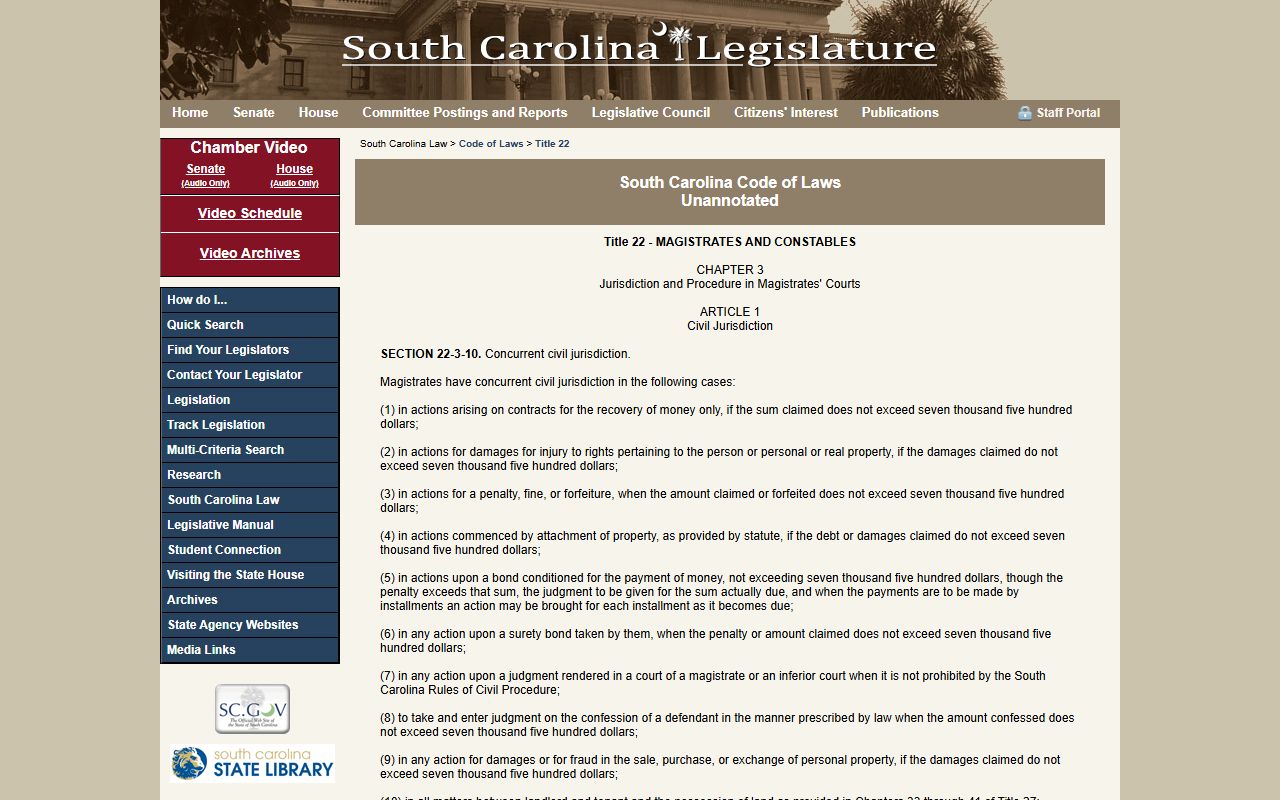
Reading the statutes helps you understand your rights and what law enforcement must do when obtaining a warrant in York County.
Cities in York County
York County has several cities and towns. Rock Hill is the largest and most populated. Fort Mill has seen rapid growth in recent years. All warrant records for the county are handled through the York County Clerk of Court and Sheriff's office, no matter which town the case originated in.
Clover, Tega Cay, Lake Wylie, and the city of York are also part of York County. Residents of any community can access warrant records at the courthouse or through the online tools listed above.
Nearby Counties
York County sits in the northern part of South Carolina along the North Carolina border. It shares borders with several other counties. Warrants are filed in the county where the alleged crime took place, so check the location before searching.